organic seo services: Our Complete Guide for Long-Term Traffic
Tap Into Your Online Potential: Advanced Organic SEO Services for Enduring Growth
In the digital landscape, businesses progressively understand the importance of organic SEO services. These techniques foster sustainable growth by enhancing online visibility and attracting targeted traffic without the reliance on paid ads. By focusing on strategies like keyword evaluation research and high-quality content, brands can develop authority and trust. However, the nuances of effective organic SEO go beyond mere visibility. Mastering these elements could be the key to discovering untapped potential.
Understanding Organic SEO: What Is It?
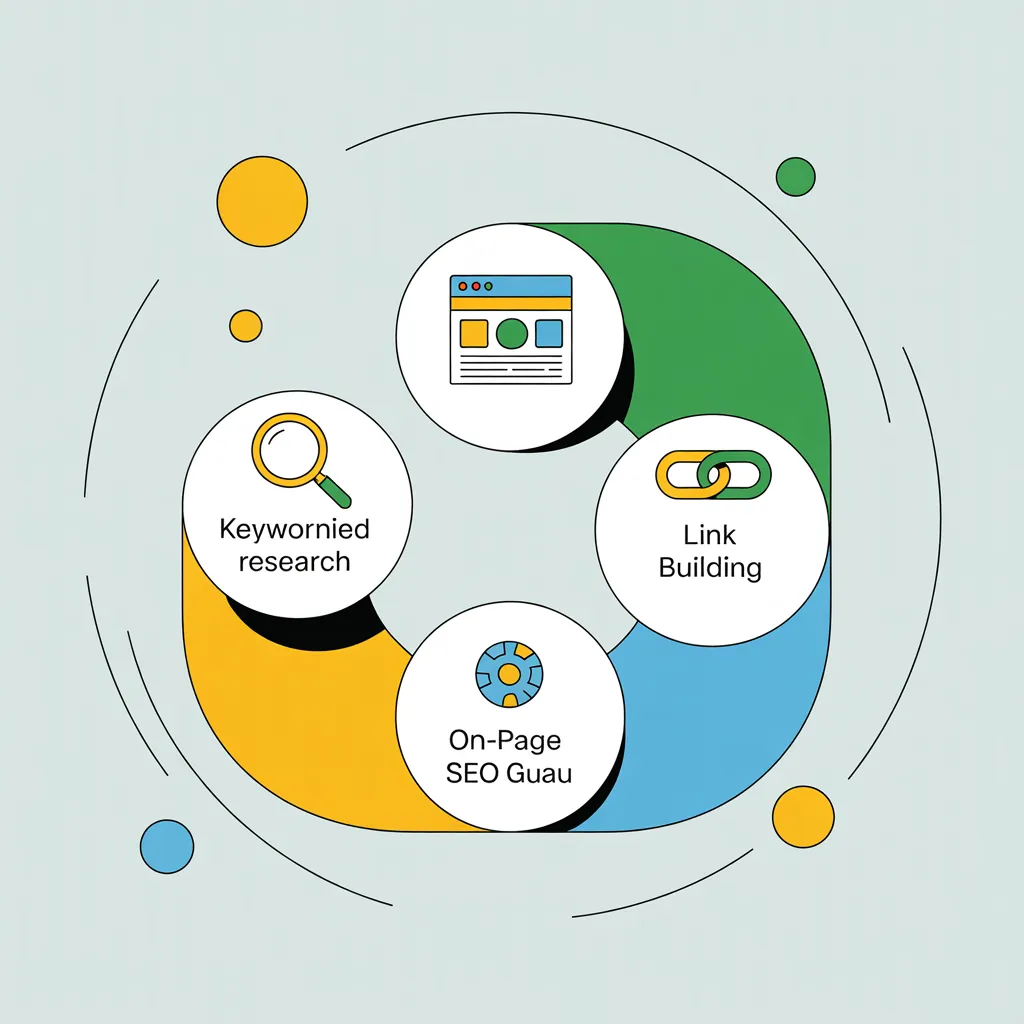
Organic SEO refers to the practice of enhancing a website to boost its visibility in search engine results without depending on paid advertising. This strategy includes various techniques aimed at enhancing a site's relevance and authority. Key components include keyword research, on-page optimization, and backlink building.
Keyword research entails identifying terms and phrases prospective clients use to search for products or services. On-page SEO concentrates on improving elements within the website, including content quality, meta tags, and site structure, to make certain search engines can easily crawl and index the site. Backlink building involves obtaining links from reputable sites to build trust and expertise.
Why Is Organic SEO Vital for Growing Your Business?
Harnessing the power of organic SEO is essential for businesses aiming to flourish in a demanding digital landscape. By optimizing website content and structure for search engines, companies can boost their visibility and attract qualified traffic. This increased visibility results in higher organic search rankings, which are essential for generating leads and conversions.
Moreover, organic SEO fosters enduring growth. Contrary to paid advertising, which stops producing results once funding stops, organic strategies develop a sustainable online presence. They boost brand credibility and trust, as users often regard highly-ranked sites as more reputable.
Furthermore, organic SEO fits with evolving consumer behavior. As users continually rely on search engines for information, businesses should adapt to keep relevant. By investing in organic SEO, companies can simultaneously reach a broader audience but also build meaningful connections with possible customers, ultimately generating sustained business growth.
Key Strategies for Building Website Authority
Building website authority necessitates a strategic approach that encompasses various essential tactics. First, acquiring high-quality backlinks from reputable sites is critical, as these endorsements convey credibility to search engines. Pursuing guest blogging on relevant platforms can support these connections while enhancing visibility.
Secondly, optimizing on-page SEO elements, including title tags and meta descriptions, contributes to improved search rankings. Thirdly, regular publishing of useful and relevant content assists in establishing expertise in a given niche, building trust among users and search engines alike.
Moreover, leveraging social media platforms to share content can increase traffic and enhance brand awareness.
In conclusion, monitoring analytics to gauge performance and modifying strategies as needed provides continuous growth in authority. By utilizing these strategies, businesses can meaningfully build their website authority, leading to improved organic search performance and consistent online presence.
In What Ways Does Content Quality Affect SEO Success?
Content quality plays a major role in SEO success, functioning as a foundation for efficient online strategies. Superior content attracts audiences, encouraging longer visits and lower bounce rates, which are beneficial signals to search engines. When content is extensively researched, educational, and applicable, it naturally incorporates keywords that match user intent, enhancing visibility in search results.
In addition, original and valuable content is likely to attract more backlinks from authoritative sites, thus boosting domain authority. Consistent content quality cultivates trust and credibility, which are vital for building a loyal audience. Also, quality content frequently encourages social sharing, further expanding reach and engagement.
Why Does User Experience Matter for SEO?
User experience (UX) holds a central position in shaping SEO performance, as it directly impacts how users interact with a web platform. A well-designed UX promotes user satisfaction, boosting the probability of longer site visits and lower bounce rates. Search engines, notably Google, rank higher sites that offer valuable experiences, impacting their ranking algorithms.
Factors like page load speed, mobile responsiveness, and intuitive navigation are critical to improving UX. Easy-to-navigate websites inspire users to view more content, which demonstrates quality to search engines. Furthermore, user engagement metrics, including time on page and interaction rates, are viewed as indicators of relevance and authority.
Applying UX design concepts not only helps visitors but also contributes to organic search visibility. Ultimately, a carefully optimized user experience works alongside SEO approaches, creating a beneficial outcome for both users and website owners in the digital landscape.

FAQ
What Is the Timeline for Seeing SEO Results?
In most cases, it takes 3-6 months to see clear SEO results. Yet, this timeframe can differ based on competition, website age, and the effectiveness of executed strategies, demanding patience and consistent optimization efforts.
What Are the Prices for Organic SEO Services?
The pricing for organic SEO services can vary substantially, typically ranging from hundreds to multiple thousands of dollars per month, depending on the consultant's proficiency, the scope of services, and unique client goals.
Should I Tackle SEO Independently or Hire a Specialist?
People can do SEO themselves with sufficient research and tools, but employing an expert often generates improved results owing to their experience and expertise. Finally, the decision copyrights on your skills, time, and goals.
How Frequently Should I Update My Website Content for SEO?
Refreshing website content every three to six month intervals is typically recommended for ideal SEO performance. Regular updates maintain site freshness, boost user engagement, and signal to search engines that the content is current and relevant.
Which Tools Are Most Effective for Tracking SEO Results?
Popular tools for tracking SEO performance include Google Analytics, SEMrush, Ahrefs, and Moz. These platforms supply insights into keyword rankings, backlinks, and website traffic, helping users evaluate and optimize their SEO strategies successfully.